Landscaping for renters in Austin: what you can and can't change
By Rachel Delgado · Updated 2026-07-02
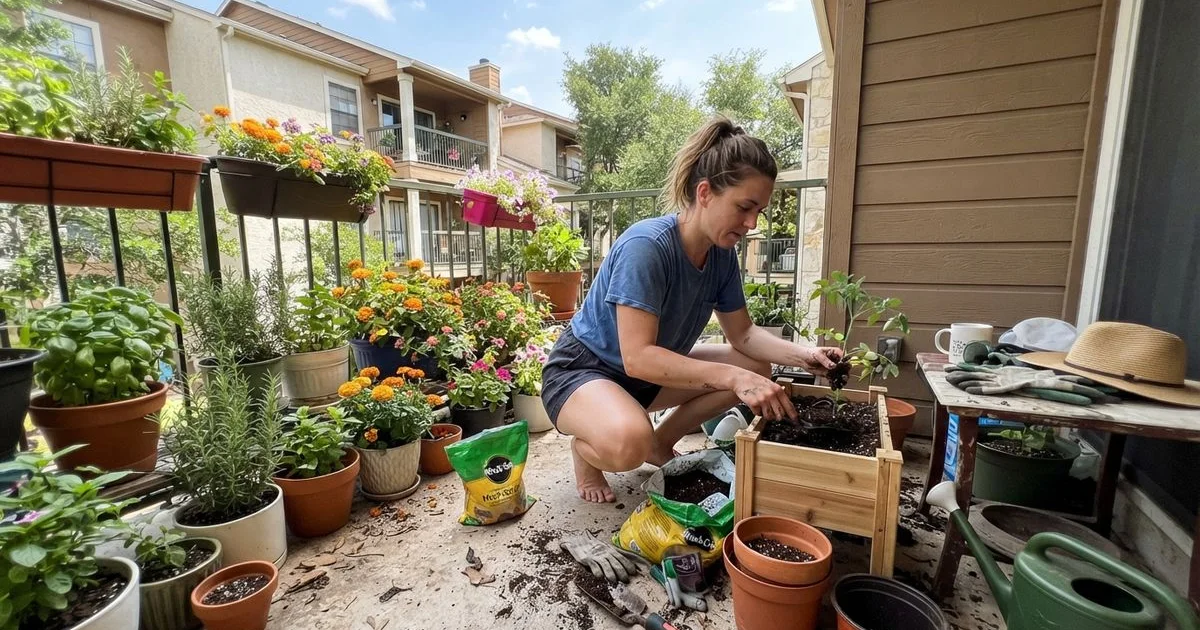
Renting doesn’t mean giving up on having a decent-looking yard, but it does mean checking what’s actually allowed before digging in. Lease terms on landscaping vary a lot between Austin properties, and the safest approach is confirming in writing before making changes rather than assuming.
What’s usually the tenant’s responsibility
Many Austin rental leases assign basic mowing and yard upkeep to the tenant, especially for single-family homes and duplexes, while apartment complexes and larger multifamily properties more often handle this through a property management company. If your lease is silent on the topic, ask directly rather than assuming either way, since responsibility for a neglected yard can become a dispute at move-out.
| Task | Typically tenant’s job | Typically landlord’s job |
|---|---|---|
| Mowing (single-family rental) | Often yes | Sometimes, check lease |
| Mowing (apartment/complex) | Rarely | Usually, via property management |
| Major tree work | Rarely | Usually landlord’s responsibility |
| Structural changes (beds, walls) | Needs approval either way | Landlord approves or does |
Changes that need approval
Anything that alters the property, adding a garden bed, planting a tree, installing edging or a small structure, technically counts as a change to the property even if it seems minor. Get approval in writing, even a quick email, before starting. This protects your security deposit and avoids a dispute over whether a change needs to be reversed before you move out.
What’s usually safe without asking
Container gardening is generally the easiest way to add greenery without altering the property at all, since pots and raised containers are removable. Mulching an existing bed, light seasonal cleanup, and basic mowing (if that’s your responsibility) typically don’t require separate approval, since they maintain rather than change the property.

Raising a landscaping problem with a landlord
If the yard has a real problem, drainage pooling near the foundation, a dead or hazardous tree, an irrigation system that isn’t working, that’s usually the landlord’s responsibility to address, not something a tenant should DIY on a rental property. Document the issue with photos and put the request in writing, since verbal requests are harder to follow up on if nothing happens.
Before you move out
If you made any approved changes during the lease, check whether the lease requires restoring the yard to its original condition or whether the landlord agreed the changes could stay. This is worth clarifying at the time you get approval, not at move-out, to avoid a surprise deduction from the deposit.
If mowing is your responsibility and you can’t keep up
Life happens, and a missed mow or two shouldn’t be a crisis, but a consistently neglected yard on a lease where upkeep is the tenant’s job can turn into a real dispute. If travel, a busy season, or a health issue makes it hard to keep up, it’s worth reaching out to a lawn care company for occasional help rather than letting the yard slide and hoping the landlord doesn’t notice. A few visits from a mowing service is usually far cheaper than a lease violation notice or a deposit dispute.
Moving into a rental with an already neglected yard
If you move in and the yard is already in rough shape, document its condition with photos on move-in day, the same way you would for interior damage. This protects you from being blamed for pre-existing problems at move-out, and it’s worth doing even if the lease doesn’t explicitly ask for it.
What a good landlord relationship looks like here
The renters who report the fewest yard-related disputes tend to be the ones who communicate proactively: flagging problems early, asking before making changes, and keeping a simple record of what’s been done and approved. It’s a small amount of extra effort that avoids a much bigger conversation at move-out. If renting is a stepping stone toward owning a place of your own, our first-time homeowner’s guide to landscaping in Austin covers what changes once you’re not asking a landlord for permission.
To browse landscaping and yard care providers who serve rental properties in Austin, visit the homepage to see the full directory, and check our methodology for how listings are evaluated and ranked.
FAQ
- Am I responsible for mowing the lawn as a renter in Austin?
- It depends on your lease. Some leases assign mowing and basic upkeep to the tenant, others include it as part of the rent or handle it through a property manager. Check the lease terms directly.
- Can I plant a garden bed without asking my landlord?
- Even small changes like adding a garden bed technically alter the property, so it's worth asking first in writing, even if the lease doesn't explicitly mention it. A quick email avoids a dispute over the security deposit later.
- What happens if I don't maintain the yard and the lease requires it?
- This can sometimes lead to lease violations or deductions from a security deposit, depending on the terms. If mowing or upkeep is your responsibility under the lease, treat it like any other lease obligation.
- Can I use container gardening instead of planting in the ground?
- Yes, and this is often the easiest way to add greenery as a renter without altering the property or needing landlord approval, since containers are removable when you move.