What lawn care costs in Austin: mowing, maintenance, and what changes your rate
By Rachel Delgado · Updated 2026-06-14
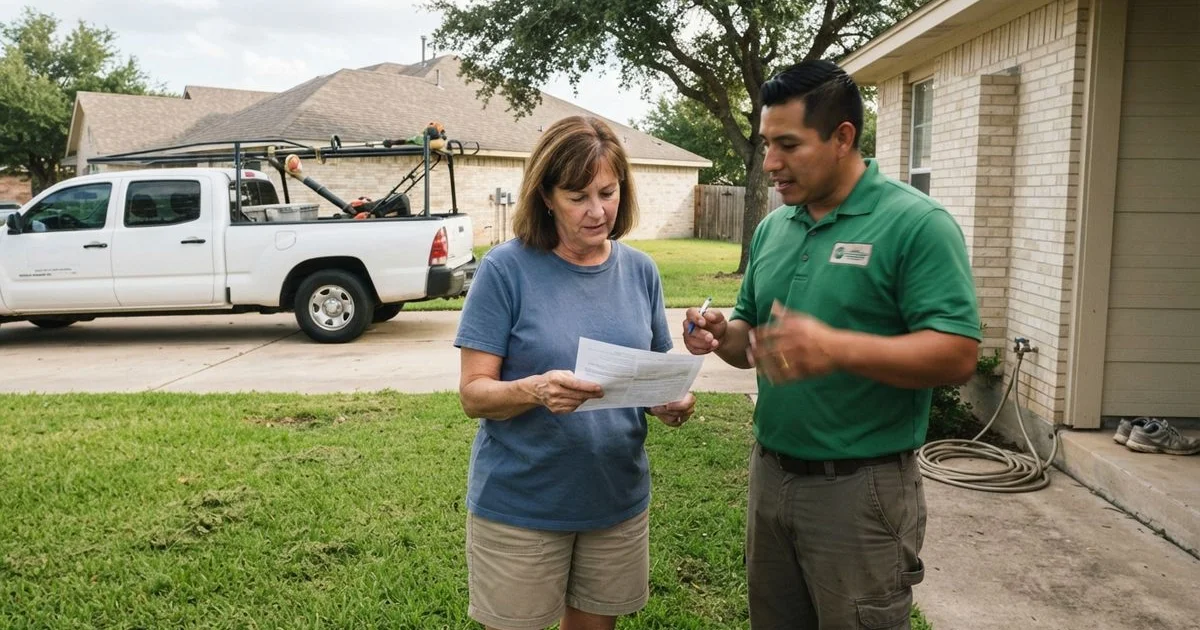
Lawn care pricing in Austin is one of the most inconsistent things homeowners run into, and there is a reason for that. Two houses on the same street can get quotes that differ by twenty or thirty dollars a visit, and both numbers can be fair. The gap almost always comes down to lot size, terrain, and how much detail work the yard needs, not just what company you call.
What a typical visit costs
For a standard suburban lot, most weekly mowing, edging, and blowing visits fall in a moderate per-visit range. Add fertilization, weed control, or aeration and the monthly total climbs. Larger properties, corner lots with more edging, or yards with a lot of beds and obstacles to mow around tend to sit at the higher end of whatever range a company quotes.
Here is a rough sense of how the pieces stack up for a typical Austin yard:
| Service | Typical frequency | What drives the price |
|---|---|---|
| Mowing, edging, blowing | Weekly or biweekly | Lot size, obstacles, terrain |
| Fertilization and weed control | Every 6-8 weeks | Lawn size, product used |
| Aeration | 1-2 times a year | Soil compaction, lawn size |
| Full maintenance plan | Bundled monthly rate | All of the above, bundled |
Use these as a starting point, not a quote. The only way to get an exact number is a site visit, since photos and phone descriptions rarely capture terrain or access issues.
What actually changes your rate
A few things move the number more than people expect:
- Lot size and grass type. St. Augustine grows differently than Bermuda, and a thicker lawn takes longer to cut cleanly.
- Access. Locked gates, narrow side yards, or a lawn split across multiple sections all add time.
- Frequency. Skipping weeks in peak growing season usually means a longer, messier mow next time, which some crews charge more for.
- Extras. Leaf cleanup, flower bed edging, and hauling away clippings are commonly billed separately from a base mow.
Fair pricing and clear communication about what is and is not included are the two things Austin homeowners consistently mention when a lawn care relationship works well. A company that walks the yard before quoting, and explains why the number is what it is, tends to be worth the extra few minutes it takes.
Is a bundled plan worth it
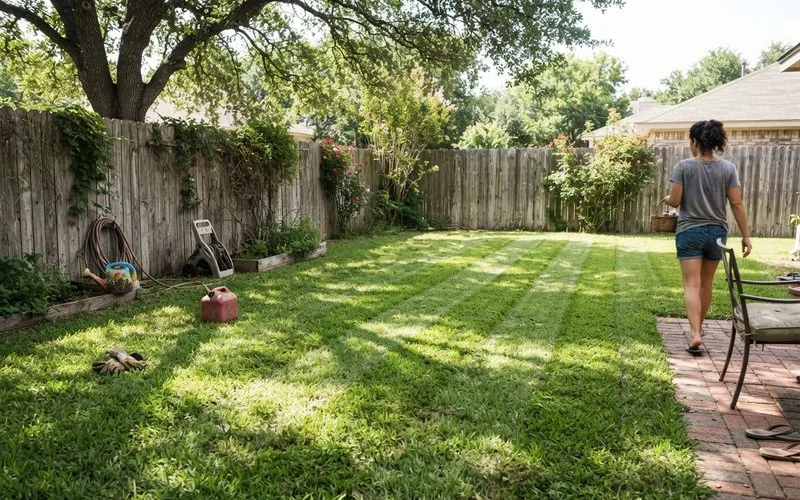
Bundling mowing with fertilization, weed control, and seasonal aeration into one monthly plan is usually cheaper than booking each service separately, and it means fewer scheduling gaps. The tradeoff is less flexibility: if you want to skip a treatment one season, an a la carte arrangement gives you more control. For a first-time yard or one that has been neglected, a bundled plan with a walkthrough up front tends to catch problems (bare patches, drainage issues, weed pressure) before they get worse.
Why quotes for the same yard can differ so much
It helps to understand that a lawn care quote is really a labor estimate dressed up as a flat price. Two crews walking the same yard can land on different numbers because one accounts for a slow, gated side yard and the other doesn’t notice it until the first visit runs long. That’s part of why a phone quote based on a rough lot size is often wrong in one direction or the other, and why an in-person walkthrough tends to produce a more durable number. If a quote seems unusually low compared to others you’ve gathered, ask what happens once the crew discovers the yard takes longer than estimated: some companies eat the difference for a season, others adjust the rate at the next billing cycle.
Seasonal price changes
Many Austin lawn care companies build a seasonal step into their pricing rather than quoting one flat number year-round, since summer growth genuinely means more mowing time and more clippings to manage. A provider who explains this upfront, rather than surprising you with a higher June invoice, is easier to plan a budget around. If a flat annual rate is offered instead, ask how it accounts for the growth difference between February and July, since that tells you whether the flat number is realistic or was set low to win the bid. Our seasonal lawn care calendar breaks down what an Austin lawn actually needs month by month, which makes it easier to judge whether a quote’s seasonal step matches reality.
Questions to ask before you commit
Before signing on with a lawn care provider, ask what is included in the base price, whether clippings are bagged or mulched, how they handle a rained-out week, and whether the price changes seasonally. A provider who answers these clearly and in writing is easier to hold to the agreement later. Vague answers on any of these are worth pausing on.
If you want a starting number before requesting quotes, browse providers on the lawn care and maintenance hub to compare who serves your part of Austin, and see how this directory scores and ranks local crews on our methodology page. For more on how we put this directory together, visit the homepage.
FAQ
- How much does weekly mowing cost in Austin?
- A standard quarter-acre lot typically runs in the low-to-mid double digits per visit for mowing and edging alone. Larger lots, steep grades, or heavy trimming push that higher.
- Is biweekly mowing cheaper than weekly?
- Per visit it can look similar or even higher, since the grass has grown more and takes longer to cut. Over a month, though, fewer visits usually means a lower total bill.
- What makes a lawn care quote higher than expected?
- Gate access, steep or uneven terrain, heavy leaf or debris cleanup, and the number of separate beds to edge around all add labor time, which shows up in the price.
- Do lawn care companies charge more in summer?
- Many do, since Austin grass grows faster in peak summer heat and needs more frequent cutting to stay healthy. Some crews build that into a flat seasonal rate instead.
Related on this site
- Browse lawn care & maintenance providers
- Best lawn care & maintenance in Central Texas →
- DIY lawn care vs hiring a pro in Austin: what actually makes sense
- Reviving an Austin lawn after freeze or drought damage
- A seasonal lawn care calendar for Austin
- What sprinkler and irrigation installation costs in Austin
- All guides →