Tree removal laws and permits in Austin: what homeowners need to know
By Rachel Delgado · Updated 2026-06-22
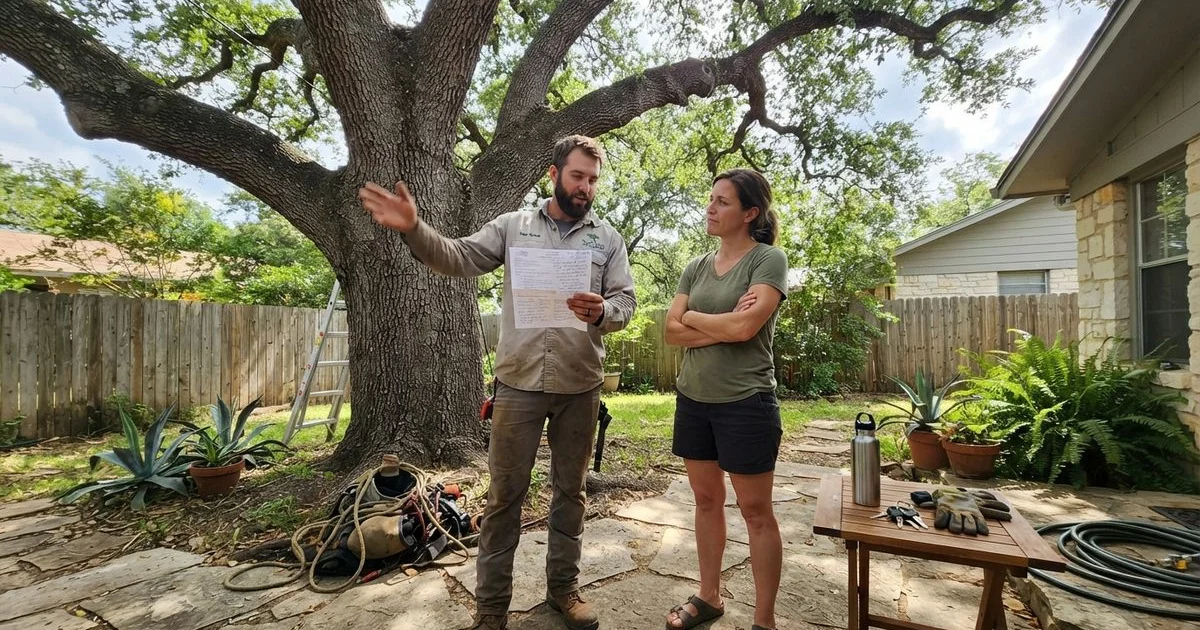
Removing a tree in Austin isn’t always as simple as calling a crew and scheduling a day. The city protects certain trees under its heritage tree ordinance, and skipping the permit process when one applies can mean fines or a mitigation requirement you didn’t budget for.
This is general information, not legal advice. Confirm current requirements with the City of Austin or a licensed arborist before removing a tree.
When a permit is required
Austin’s ordinance protects trees above certain trunk diameters, with additional protection for a defined list of heritage-sized species, large live oaks in particular. The exact size thresholds vary by species, so the only reliable way to know if your tree qualifies is to have it measured, either by the city or by a licensed arborist familiar with the ordinance.
| Tree situation | Typical requirement |
|---|---|
| Small tree, non-protected species | Often exempt, confirm before removal |
| Large tree, protected species | Permit required |
| Heritage-sized live oak | Permit required, stricter review |
| Dead or hazardous tree | Often still needs review, may be expedited |
What the permit process involves
Once an application is filed, the city typically reviews the tree’s condition, size, and species. For heritage-protected trees, this can include an arborist assessment and, in some cases, a public notice or hearing period before approval. A company experienced in Austin tree work should be able to walk you through this timeline honestly rather than promising a same-week removal for a tree that clearly needs review. For the full sequence once a permit clears, see our guide on how tree removal works in Austin, from quote to cleanup.
What happens if you skip it
Removing a protected tree without going through the process can result in a fine, and the city may require mitigation, such as planting replacement trees elsewhere on the property or paying into a tree fund. These outcomes vary by situation, so if you’ve already had a tree removed and are unsure whether it needed a permit, it’s worth checking with the city directly rather than guessing.

Working with a company that knows the process
Ask any tree service you’re considering whether they pull permits as part of the job or expect you to handle it yourself. A company that regularly works in Austin should know the size thresholds and be upfront if your tree likely qualifies for protection, rather than quoting a fast removal and leaving the permit question for you to sort out. This is also where hiring a company with a documented history of professional communication pays off: permit timelines can shift, and you want a crew that keeps you updated rather than going quiet.
Before you remove anything
If a tree is near a property line, get confirmation of exactly where the boundary sits before removal, since disputes over trees that straddle a line are common and harder to resolve after the fact. Our guide on who’s liable when a tree falls and damages a neighbor’s property covers what happens when a dispute like this escalates. And if the tree is dead, damaged, or clearly a safety risk, document its condition with photos before removal in case the permit process asks for that evidence later.
Trimming vs removal
Not every question about a protected tree involves full removal. Significant trimming or pruning of a heritage-protected tree can also fall under the ordinance in some cases, particularly if it affects the tree’s structure or health, so it’s worth asking a company doing major pruning work whether their plan needs the same kind of review. Routine, light trimming for shape or safety generally does not trigger this, but a large reduction in canopy might.
What if you disagree with a permit decision
If a permit application is denied or the required mitigation feels disproportionate, there is usually an appeals process through the city. This is a more involved path and typically benefits from an arborist’s written assessment supporting your case, since a denial is more likely to be reconsidered with documented evidence about the tree’s condition than a general objection alone.
To find tree service companies experienced with Austin’s permit process, visit the tree service and arborist hub. Our methodology explains how we evaluate and rank the businesses listed there. Learn more about this directory on the homepage.
FAQ
- Do I need a permit to remove any tree on my property in Austin?
- Not every tree. Smaller trees and certain species are generally exempt. Larger trees, especially protected heritage-sized live oaks and a handful of other species, require a permit before removal.
- What happens if I remove a protected tree without a permit?
- The city can issue fines, and in some cases require mitigation such as planting replacement trees. Penalties vary by case, so this is worth confirming with the city or a licensed arborist before any work starts.
- How long does the permit process take?
- It varies, but plan for at least a few weeks between application and approval, longer if the tree is protected and requires an arborist review or a hearing.
- Does a dead or hazardous tree still need a permit?
- Often yes, though the city may expedite review for trees posing an immediate safety risk. Don't assume a dead tree is automatically exempt without checking first.
Related on this site
- Browse tree service & arborist providers
- Best tree service & arborist in Central Texas →
- How tree removal works in Austin, from quote to cleanup
- Who is liable when a tree falls and damages a neighbor's property in Austin
- Warning signs your tree is sick or dying in Austin, and what to do next
- Do you need a licensed irrigator in Texas? What the law requires
- All guides →